Are You Ready for the Next Power Outage?
Lately, we have seen multiple examples of the electricity grid becoming increasingly unpredictable due to weather phenomena or grid instability. Power outages can strike without warning, disrupting operations, damaging sensitive equipment, and costing businesses valuable time and revenue. Even a short blackout can mean lost productivity, delayed deliveries, and risk of lives.
- Published by: VersaPowr Press


Protecting Critical Infrastructure and Institutions
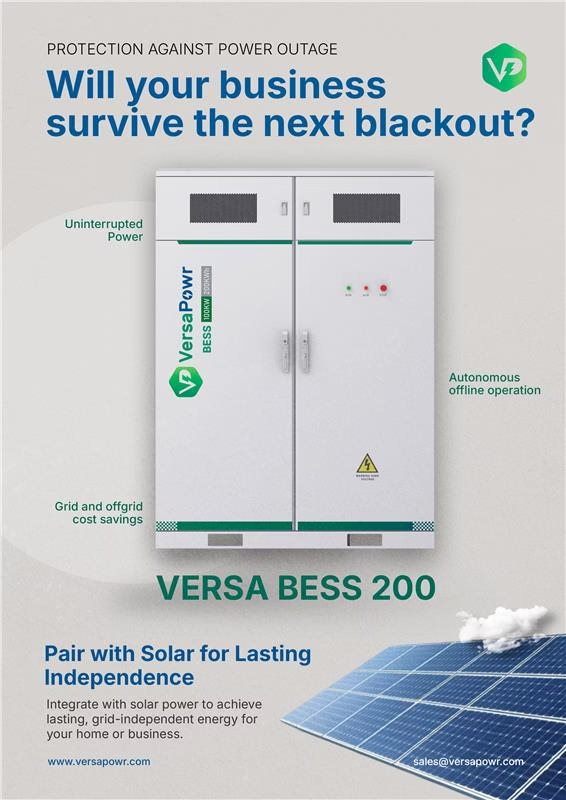
A battery energy storage system, often paired with solar panels, provides a dependable source of electricity when you need it most. Critical systems such as servers, production lines, refrigeration, and lighting can continue operating seamlessly, ensuring that your business keeps running even during an unexpected outage. This not only prevents costly downtime but also protects your patients, staff, customers, and equipment from the risks associated with sudden power loss.
For health services, data centers, schools, government offices, and other critical institutions, power reliability is not just convenient, it’s essential. Outages can disrupt operations, compromise safety, and have serious consequences for the people who depend on these services. Hospitals can maintain life-saving equipment, lighting, and climate control without interruption. Data centers can keep servers running, preventing costly downtime and protecting sensitive information. Public institutions can continue operation, ensuring that essential services remain available to the community.
Additional Benefits
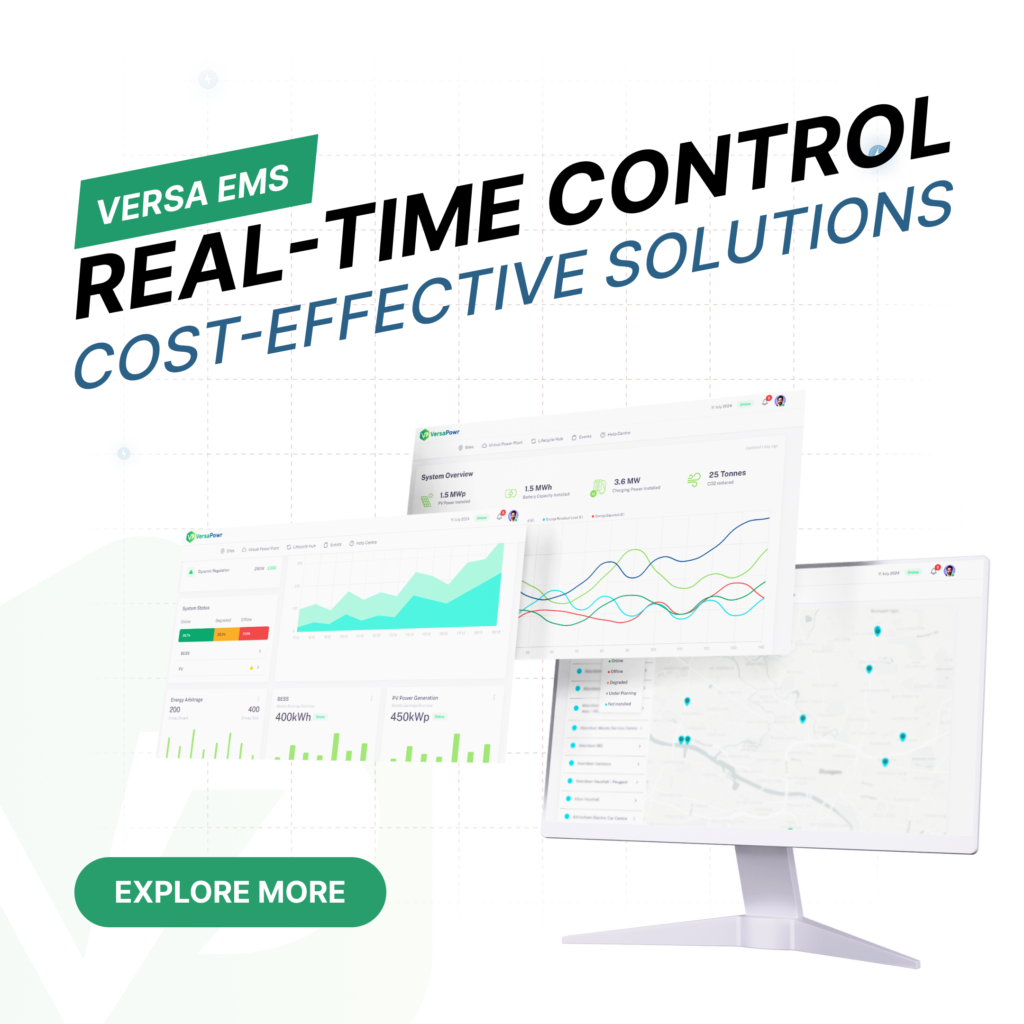
In addition to providing backup power, batteries help optimize your daily energy usage and reduce operating costs. They allow you to store electricity during off-peak hours, when energy cost is lower, or capture excess solar energy for use when demand, and energy cost, is high. Intelligent energy management helps lower electricity bills while making your operations more efficient and sustainable.
Batteries also reduce reliance on traditional generators, cutting fuel costs, maintenance, and noise, while supporting your sustainability goals. Using stored electricity instead of diesel or gas-powered backup systems reduces emissions, helping your business demonstrate a commitment to cleaner, greener operations.
One of the key functions of ESS in grid stabilization is frequency regulation, where batteries or other storage technologies rapidly respond to deviations in grid frequency by injecting or absorbing power, keeping the system within safe operational limits. Similarly, ESS provides voltage support, helping to stabilize voltage fluctuations that can occur due to sudden changes in load or generation. Another critical function is peak shaving, where ESS reduces stress on the grid by storing electricity during periods of low demand and discharging it during peak times, improving overall grid efficiency and reducing the need for expensive infrastructure upgrades.
Investment for the Future
Installing batteries is a strategic investment that protects infrastructure and provides peace of mind for companies and institutions that cannot afford downtime. It ensures continuous operation, safeguards critical infrastructure, supports sustainability goals, and provides long-term reliability, making it an essential component of modern energy management.

